Blow to affordable cooking gas push as Kenya drops Sh2.5Bn Aramco deal

Energy CS Opiyo Wandayi (right) when he appeared before the Standing Committee on Energy in the Senate to update on the status of the Liquefied Petroleum Gas (LPG) growth strategy and the progress towards universal access to clean cooking by 2028.
Kenya’s plan to significantly bring down the cost of cooking gas has suffered a setback after the government confirmed that a proposed initiative with global oil giant, Saudi Aramco, collapsed due to stringent conditions set out by the firm.
Appearing before the Senate Energy Committee on Tuesday, March 31, Energy Cabinet Secretary Opiyo Wandayi said negotiations with Aramco Trading Fujairah FZE failed to yield an agreement, stalling efforts to expand the country’s liquefied petroleum gas (LPG) infrastructure.
Related
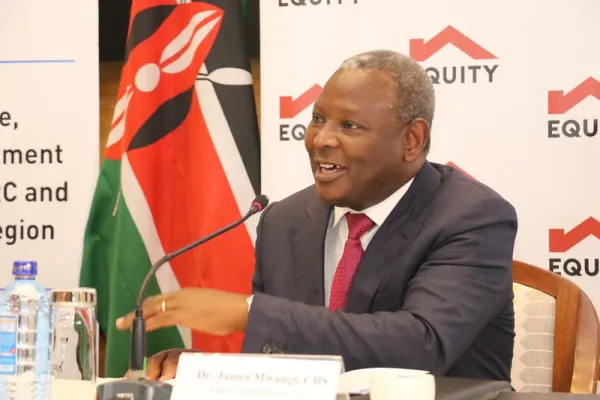
Equity Bank rolls out Sh5bn plan to help schools cook using LPG
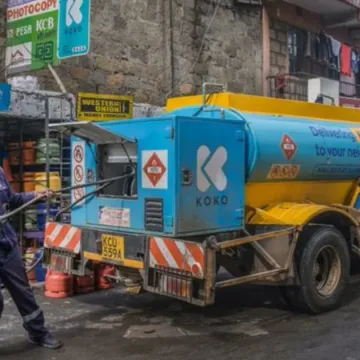
Why KOKO Networks' clean cooking fuel flame went off
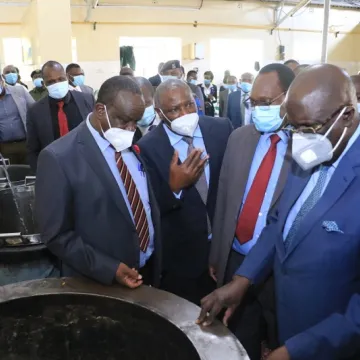
“The intended Memorandum of Understanding was not executed as expected, given that parties were not able to amicably agree on the terms,” CS Wandayi told senators.
According to the CS, the proposed KSh2.5 billion ($20 million) financing package came with tough conditions, including demands for exclusive LPG supply rights, terms that the government rejected.
“The so-called $20 million was coming with serious conditionalities, one of which was exclusive supply of LPGs, which we found untenable. In any event, these funds were not coming in one tranche but in multiple tranches, which did not make sense to us,” he said.
The financing, part of a Saudi-backed oil sustainability programme, had been expected to support the distribution of about 8.4 million cooking gas cylinders and boost Kenya’s LPG import and storage capacity.
Its collapse now deals a blow to President William Ruto’s plan to make clean cooking energy more affordable and accessible to millions of families, potentially delaying efforts to ease the cost of the commodity for households.
Since 2024, Kenya has been in talks with Saudi Arabia to secure a floating LPG storage and processing facility stationed off the Port of Mombasa.
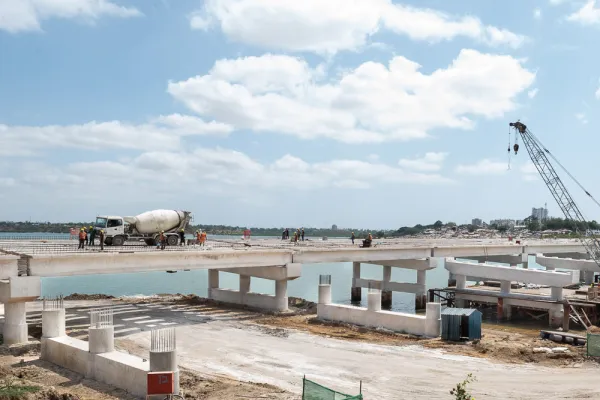
The proposed offshore facility was expected to handle up to 30,000 tonnes of LPG as a temporary storage and bottling plant while the country develops a permanent onshore terminal, a plan that now hangs in the balance.
Despite the setback, CS Wandayi said the government is shifting focus to private sector participation to salvage the ambitious LPG expansion programme. “The Ministry is further exploring the possibility of engaging private sector participants to get funding for the programme,” he explained.
He added that requests for proposals have already been issued, with four companies based in the country already identified to support the manufacturing of cylinders. “We will continue to engage very productively with private entities in the development of this LPG sector, particularly infrastructure for import and storage,” stated CS Wandayi.
The Energy CS also sought to reassure the country on fuel availability, noting that petroleum stocks remain stable amid potential supply disruptions and rising prices due to the ongoing U.S.-Israel war with Iran.
“We have stock of all petroleum products to last us until April, and we have agreements with Gulf international energy companies that have ensured we have enough supplies,” he said.