Why KOKO Networks' clean cooking fuel flame went off
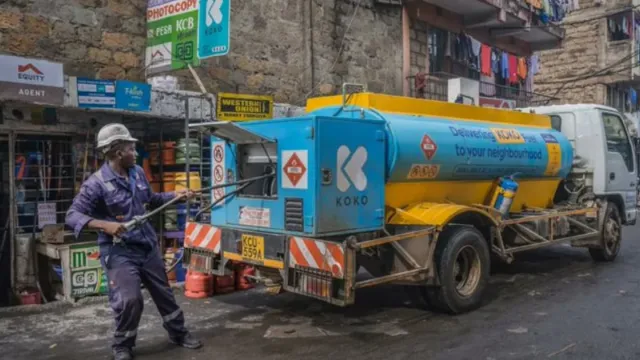
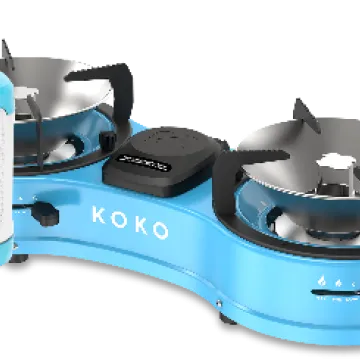
Climate tech venture KOKO Networks spent nearly 10 years establishing a vast cooking solutions distribution infrastructure including tailor-made bioethanol fuel and specialized stoves.
The collapse of climate tech venture KOKO Networks last month, which cut off over 1.3 million customers, was sparked by the startup's failure to obtain a vital Kenyan government permit to help it monetize carbon credits.
According to insights from emerging markets researcher Briter Intelligence, KOKO Networks' business model leaned heavily on selling carbon credits, a revenue stream that could only turn profitable with licensing from the government.
Related
Koko Gas to the rescue of Kenyans on a shoestring budget
"Despite ongoing talks with the Kenyan government, that authorization never came. Without the ability to sell carbon credits, the model became unsustainable," said Briter Intelligence in its January market update.
According to Climate Impact Partners, carbon credits are tradable certificates that represent the removal of a tonne of carbon dioxide or its equivalent greenhouse gases from the atmosphere.
These permits allow the holder to offset their emissions by purchasing credits from approved environmental projects like reforestation that eliminates greenhouse gases elsewhere.
Climate tech venture KOKO Networks spent nearly 10 years establishing a vast cooking solutions distribution infrastructure including tailor-made bioethanol fuel and specialized stoves.
According to KOKO Networks, their offering was an alternative to charcoal that was cleaner, cheaper, and better for the environment.
However, despite ongoing talks with the Kenyan government, KOKO Networks' request for authorization to trade carbon credits never materialized, effectively turning its business model unsustainable.
Briter Intelligence noted that KOKO's experience highlights that capital alone cannot insulate startups from regulatory volatility across economies.
"For investors and founders alike, it underscores the importance of building resilience into business models where one government signature can be the difference between scale and collapse," stated Briter Intelligence.