KPC’s net profit up 13% to Sh11.6 billion in first full year as listed firm

Kenya Pipeline Company Acting Managing Director Pius Mwendwa
Kenya Pipeline Company (KPC) has reported a 13 percent increase in net profit to KSh 11.6 billion for the year ended 30 June 2026, underscoring the strength of its core oil transport business in its first full financial year since privatisation and listing on the Nairobi Securities Exchange.
The earnings, which were up from KSh 10.2 billion recorded a year earlier, was driven by higher throughput volumes, improved collections and a sharper focus on operational efficiency, the company stated on Wednesday during an investor broefing.
Related
KPC listing, Safaricom stake deal drive NSE's 386% H1 profit surge

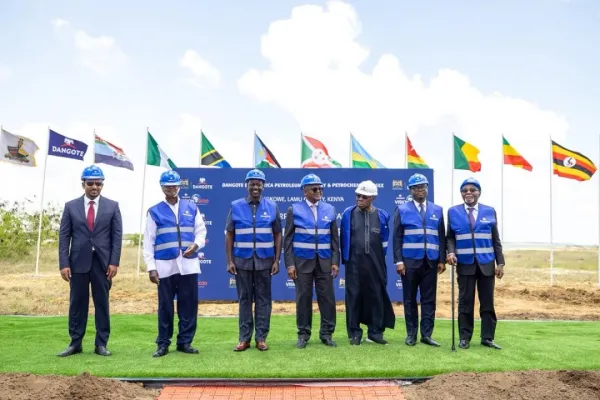
Dangote vows Lamu refinery will be ready in 40 months
During the year, pre-tax profit increased by 8 percent to KSh 17.5 billion. At the same time, earnings per share stood at KSh 0.64. The board has recommended a maiden dividend of KSh 5.9 billion, which is equivalent to KSh 0.32 per ordinary share, with the register closing on 30 November.
Group revenue rose by 9 percent to KSh 43.0 billion from KSh 39.5 billion a year earlier, supported by a 7 percent increase in local and transit volumes.
KPC's transport revenue, which accounts for the overwhelming majority of income, reached KSh 41.8 billion while the gross margin expanded to KSh 33.8 billion.
Direct costs
Direct costs increased by 8 percent, reflecting higher maintenance and electricity expenses, yet the company still managed to convert a larger share of revenue into bottom-line profit.
Cash from operating activities rose by 34 percent to KSh 17.4 billion as the company ended the year with cash and cash equivalents of KSh 20.5 billion, an 84 percent increase on the previous year-end.
During the period, KPC cut its borrowings aggressively, falling 83 percent to just KSh 443 million. Total assets grew 6 percent to KSh 149.3 billion, while shareholders’ equity advanced 11 percent to KSh 119.3 billion.
Pius Mwendwa, acting managing director, attributed the net-profit growth to “sustained revenue growth, improved operational efficiency, product availability and stronger cash generation from the firm’s core business.”
He noted that the company had delivered the improvement despite global petroleum-price volatility and supply disruptions linked to the Middle East crisis.
Faith Bett-Boinett, board chair, noted that the stronger earnings provide a platform for the company's diversification push. Currently, the board is advancing plans for an integrated petroleum trading hub at the former Kenya Petroleum Refineries site in Kipevu, Mombasa.
The facility is intended to offer transhipment, bulk-breaking, bunkering and re-export services, creating additional revenue streams beyond pure pipeline transport.
KPC operates approximately 1,342 kilometres of pipeline together with strategically located storage, pumping and loading facilities that give it an annual capacity of about 14 billion litres.
Regional expansion
The network remains the principal artery for petroleum products serving Kenya and several neighbouring countries. The management is examining further regional expansion, including possible pipeline extensions from Eldoret towards Kampala and eventually Kigali.
A newly commissioned 320-million-litre storage terminal in Kampala is expected to support higher transit volumes in coming years. The company has set an internal target of lifting group revenue to KSh 68 billion by the financial year 2030, while acknowledging that fossil-fuel storage and transportation will continue to dominate its earnings for the foreseeable future.
The privatisation and subsequent listing have altered the company’s governance framework. It now reports to a broader shareholder base that includes the Kenyan government as a strategic partner.
The FY2025/2026 results arrive as regional demand for refined products expands and new refining and upstream projects, including the Dangote facility and oil developments in South Lokichar, reshape the competition.
KPC’s existing infrastructure confers a natural advantage in logistics and storage and converting that advantage into higher-margin trading and value-added services will be the central strategic test of its first years as a listed company.