Kenya on edge as high fuel price fury fails to take off in Nairobi

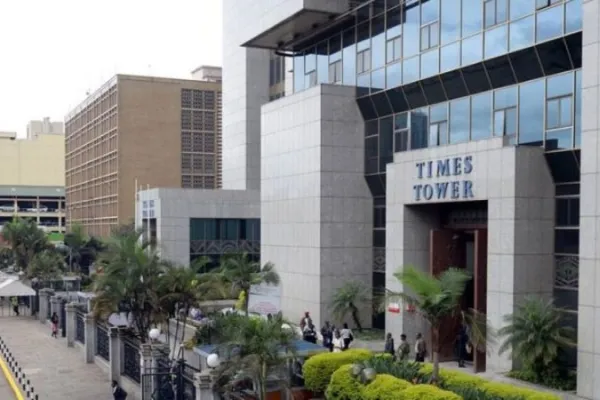
Police arrest protesting individuals in Nairobi's central business district on Tuesday. A spot check in Nairobi central business district on Tuesday by Maudhui House showed a city on the edge. Photo/People Daily
Kenya’s corporate sector moved quietly into defensive mode on Tuesday as fears of fresh protests kept offices half-empty and executives wary of disruption.
Several companies asked employees to work from home, reflecting rising concern over employee safety and mobility disruptions even as key political figures distanced themselves from the Tuesday protests against recent jump in pump prices.
Related
Iran war threatens to wipe out Kenya's Sh164Bn Gulf exports

Firms slash 2026 growth forecasts as fuel price shock bites
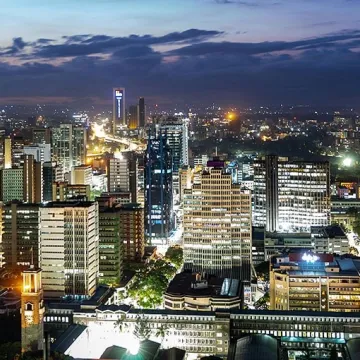
A spot check in Nairobi central business district on Tuesday by Maudhui House showed a city on the edge, as it opened cautiously. Traders stayed alert, with a good number of shops under lock and key even as anti-riot police patrolled the streets.
Many motorists kept their journeys short. And by early afternoon, the streets in East Africa’s largest city were tense but largely calm.
The latest trigger for public fury against President William Ruto’s government was familiar. Rising fuel prices have sharpened cost-of-living pressures and revived calls for street protests.
Kenya recorded one of its steepest fuel price surges in years in April, with super petrol jumping by KSh28.69 a litre and diesel KSh40.30, while kerosene was unchanged.
In quick response, President Ruto halved Value Added Tax on fuel to 8 percent for three months to ease pressure on consumers. The move trimmed Nairobi pump prices a litre by KSh9.37 for petrol and Sh10.21 for diesel. Despite this, the pump prices remain near record highs.
U.S. Embassy advisory
An advisory from the US Embassy in Kenya warned of potential protests and the risk of disruption, noting that past demonstrations have blocked major roads and, at times, turned violent.
“Demonstrations, strikes, and other political and economic protests are common. They often block key intersections or highways, resulting in widespread traffic jams. Violence during demonstrations has occurred across the country. This includes rock-throwing and police using tear gas and deadly force. Political violence can be sporadic and occur with little warning,” the Embassy said in a statement as it asked its citizens to exercise caution in the vicinity of any demonstrations.
The Kenyan government, for its part, backed the right to protest but signalled a hard line on disorder. Spokesperson Isaac Mwaura said those financing or inciting violence would be held accountable.
“The government unequivocally condemns civil disruption and political violence, which threaten the nation’s security, peace and democratic values, reaffirming its commitment to upholding the rule of law and protecting the democratic rights of all citizens. Political violence and the use of criminal gangs to intimidate or silence individuals undermine our democracy and will not be tolerated,” he said.
Economy absorbs the cost
The cycle is now predictable. Protest calls circulate online. Businesses scale down operations. Security agencies prepare for containment. And the economy absorbs the cost, whether or not large crowds materialise.
For Nairobi, even short-lived protests can paralyse the transport network, cutting daily productivity in the country’s main commercial hub. Retail and informal trade, which depend on foot traffic, are often the first casualties, with traders shutting early or not opening at all.
Additionally, logistics firms suffer inordinate delays at key arteries, raising costs across supply chains. In previous protest cycles, banks and offices have closed temporarily, while insurers have reported spikes in claims linked to property damage.
There is also a quieter, longer-term effect. Recurrent unrest raises the risk premium on doing business, complicates planning for investors and accelerates the shift towards remote operations. For a services-led urban economy, the cumulative drag can be significant, even if each protest lasts only a day or two.
For now, Tuesday passed without a major incident. But the underlying pressures remain for millions of Kenyans. The cost of living is rising while taxation and governance concerns continue to animate largely youth-led mobilisation, suggesting that the cycle is unlikely to break soon.
Recent protest cycles in Kenya — what happened:
- Mid-2023 anti-tax protests: Triggered by the Finance Act, demonstrations spread across major towns; sections turned violent, with fatalities reported, businesses closed and significant disruption to transport and trade.
- Early 2024 cost-of-living protests: Smaller but persistent actions focused on fuel prices and inflation; periodic road blockages and heavy police presence disrupted urban mobility and commerce.
- 2025 youth-led “Gen Z” protests: Loosely organised via social media, centred on governance and accountability; largely peaceful in parts but sporadically disrupted key city routes, prompting intermittent business closures and heightened security response.