Agony for patients at KNH as nurses strike over poor pay, staffing

Kenyatta National Hospital nurses say their move to strike follows months—and in some cases years—of unmet demands, including the failure to fully implement a 2017 return-to-work formula.
Patients seeking services at Kenyatta National Hospital (KNH) have been left to their own devices after nurses at the centre downed their tools of trade, triggering chaos at the regional referral facility.
The industrial action, which affects key departments including wards, outpatient clinics and emergency units, stems from long-running disputes over delayed salaries, staff shortages, and unresolved welfare concerns.
Related
KNH patient killing triggers Duale’s push for hospital safety overhaul

Thousands affected as KNH set to close doors for walk-in patient services from July
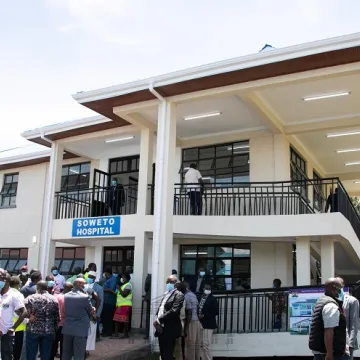
Nurses say their decision to strike follows months—and in some cases years—of unmet demands, including the failure to fully implement a 2017 return-to-work formula. They cite persistent delays in salary payments, non-remittance of statutory and third-party deductions, and what they describe as inadequate medical cover.
“We have a medical cover, but when a nurse falls sick and goes to the hospital, medicines are often unavailable. Sometimes a doctor dismissively tells you that you do not need a certain drug and instead gives you something basic like Brufen,” a representative said.
The health workers argue that delays in remitting deductions have disrupted their financial stability, with some unable to service bank loans due to delayed salaries.
Staff shortages
At the same time, staff shortages have stretched the KNH workforce thin, with nurses warning that the hospital is operating below required staffing levels despite handling an increasing number of patients.
“We have been overwhelmed by work. The workload is too much compared to our numbers. Currently, we are about 2,300, yet we are supposed to be around 2,800,” the representative said.
They say the pressure on the hospital, which runs 50 wards, 24 operating theatres (16 specialised), and 24-26 outpatient clinics, serving over 1.7 million Kenyans annually including critical care units, has been intensified by recurring strikes in health facilities across Nairobi, Kiambu, Machakos and Kajiado counting, forcing more patients to seek care at KNH.
“As a result, one nurse may be required to attend to up to 40 patients in a ward. In the ICU, one nurse may be assigned four patients, yet the standard should be one nurse per patient,” the representative added.
Nurses also highlighted congestion at the regional referral facility, noting that patients with minor illnesses often seek treatment there, further straining resources and delaying care for critical cases.
“At times, cases like simple fever come here, leaving those with serious illnesses waiting for long,” the representative added.
Casualisation of staff
Beyond workload concerns, the nurses raised alarm over the casualisation of staff, saying some employees remain on temporary contracts without access to full employment benefits, as well as difficulties in accessing pension contributions.
In a statement issued on Sunday, April 12, Acting CEO Richard Lesiyampe said the hospital is engaging relevant stakeholders to resolve the issues.
“The Hospital Management wishes to assure staff, patients, and the public that the issues highlighted primarily relate to remittance timelines for statutory and third-party deductions, as well as broader staff welfare matters,” he said.
“These issues are currently being addressed through the established institutional consultation mechanisms between the Hospital, relevant government agencies, and staff representatives.”
With services severely disrupted, focus now shifts to ongoing negotiations between hospital management, union officials and government agencies, which will determine how quickly normal operations can resume.