Uncertainty grips Nairobi's land market as house prices falter
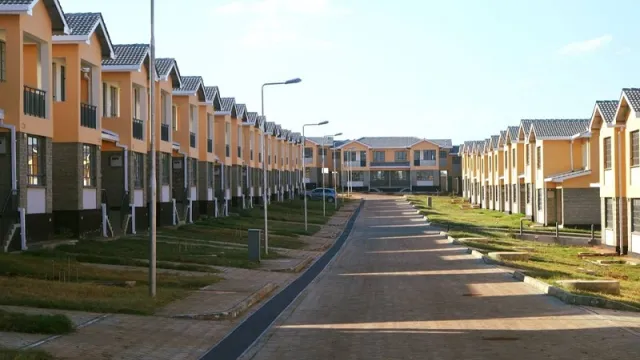
Athi River, Ngong, and Syokimau suffered price declines averaging 2.5 percent, 1.7 percent and 0.7 percent respectively during Q1. This implies that the new infrastructure push that steadily lifted property prices in these satellite towns has finally prices into land values.
For thousands of people, investing in Nairobi's land and property market has long been the most preferred avenue to creating wealth, but latest statistics show an industry experiencing constraints.
According to the property tracker HassConsult's first quarter survey, the industry allure is grappling with regulatory hurdles, thinning incomes, and an increasing mismatch between demand and supply, causing a state of retreat.
Related
Housing plan to drive further pay squeeze
Kenya’s 4.6% growth masks dip in tea, titanium and textile exports
During the first three months of the year, the prices of land in Nairobi edged up by a marginal 0.8 percent, reflecting a market reaction barely keeping pace with inflation.
High-end housing suburbs of Kitisuru, Loresho and Muthangari recorded decrease in prices. What's more, Nairobi city's satellite towns, which for decades have been magnet for home hunters, reported the slowest quarterly growth in the last five years.
Housing industry bottlenecks
Hass Consult report says the industry suffered from clumsy operations in the Nairobi City County land offices with developers grappling with disputes over the validity of housing plan approvals.
This worsening county land management paralysis manifested in stalled projects in the market with HassConsult saying new building approvals in the capital dipped by 9.3 percent in the year ended December 2025.
These delays have dealt a blow to land prices, with prime home destination Muthangari experiencing a 2.8 percent decrease in land prices during the quarter under focus and 1.4 per cent dip over the last one year.
“Demand for land parcels for new suburban projects eased during the period, as developers continued to face uncertainty around planning approvals at county level,” said Sakina Hassanali, Co-CEO, HassConsult.
Hassanali added that resistance from resident associations has further delayed projects, creating a paralysed housing pipeline.
Housing in Nairobi's satellite towns stalls
For decades, satellite towns around Nairobi have been the most preferred destination by home buyers, but first quarter report says this momentum is cooling off.
Up to 14 satellite towns tracked by HassConsult experienced negative movement in land and property prices in the three months to March. Athi River, Ngong, and Syokimau suffered price declines averaging 2.5 percent, 1.7 percent and 0.7 percent respectively during the period.
This implies that the new infrastructure push that steadily lifted property prices in these satellite towns has finally prices into land values. For decades, these towns have been beneficiaries of new access roads, commuter railways, and bypass roads, effectively uplifting the asking price of land.
Further, with an economy that grew by 4.6 percent in 2025, and thinning disposable incomes, the pool of potential home buyers who could buy those inflated prices has shrunk sharply.
HassConsult said satellite property sales index decreased by 0.9 percent in the three months, attributable to lesser demand for both houses and apartments. “Against a tighter economic backdrop, this has reduced affordability for self-build buyers, narrowing the addressable market,” Hassanali highlighted.
However, developers in some areas in Nairobi has a reason to smile as houses fetched better prices. For instance, the prices of standalone houses in Lavington, Spring Valley and Kilimani posted uptick of 4.2 percent, 4 percent and 3.9 percent respectively. Karen area, which is one of the most preferred destinations by the rich, experienced 13 percent annual gain in prices.
As standalone house prices role, apartments registered a downturn. Apartment developers in Westlands recorded 2.8 percent dip in asking prices, translating to 7.9 percent annual decline. Upperhill, another prime destination saw the prices of apartments drop by 2.5 percent during the quarter and by 6.8 percent during the 12 months ended December 2025.
This implies that the property market around Nairobi could be experiencing an oversupply of apartments, offering buyers an opportunity to scout for better space, security and privacy preferences.
Across satellite towns, the prices of apartments are also falling with Ongata Rongai recording 3.9 percent decrease during the quarter while Ruaka saw 2.9 percent easing on their offerings.
During the period, rents increased by 1.3 percent within Nairobi and by 1.4 percent in satellite towns, offering some bring spots for investors. Tentants in Westlands were hit with the highest rent increase at 4.3 in Q1 even as houses in Ridgeways reported a 14.7 percent uptick in rent prices in the year to December 2025.
HassConsult said the average suburban rent has now crossed Ksh200,000 for the first time, hitting Ksh201,832 while rents in satellite towns touched a record Ksh64,765 on average.
Overall, the rental yields in the industry remain respectable, roughly 7.4 percent in the city's suburbs, and 5.3 per cent in satellites, but the pace of rental growth is slowing, suggesting affordability is nearing a ceiling.
Additionally, HassConsult notes a steady increase in capital flowing into passive, liquid assets — unit trusts and government securities — as would-be land buyers adopt a “wait and see” stance. For a decade, land in Nairobi satellite towns delivered annualised returns that crushed equities, bonds and even gold.
A Ksh1 million investment in satellite land at the end of 2017 would today be worth Ksh13.5 million, more than double the return from suburban land and nearly five times that of bonds. The Q1 2026 data suggests that phase of extraordinary returns may be over.