SHA’s sustainability is threatened by funding gaps, wastage in counties
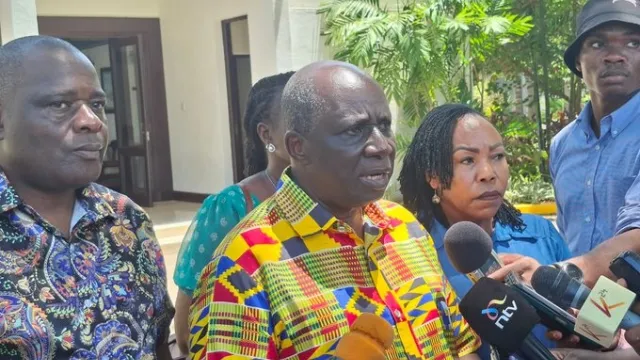
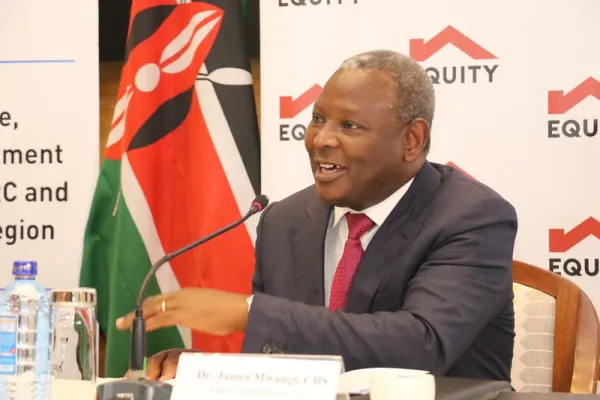
Dr. James Nyikal, the House Chairman of the Departmental Committee on Health, says that the revenue that the Social Health Authority (SHA) collects is not enough to meet its expenses.
The future of the Social Health Authority (SHA) has come under sharp scrutiny after fresh revelations from the National Assembly suggested that the public medical scheme may be financially unsustainable.
Concerns raised by Dr. James Nyikal, the House Chairman of the Departmental Committee on Health, come barely a week after the Auditor-General flagged a potential loss of Kes50 billion during the scheme’s initial rollout in 2024.
Related
Resign: MPs tell besieged Duale, Mwangangi over SHA scam
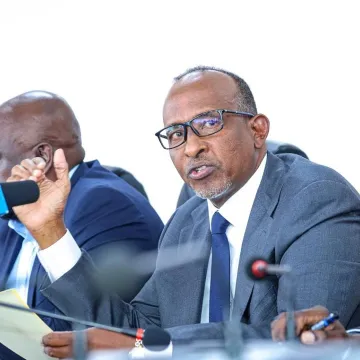
According to the Seme MP, the newly established national healthcare authority is walking a financial tightrope, collecting approximately Kes7.4 billion per month, largely from salaried Kenyans, while spending nearly everything or Kes7.2 billion on expenses.
“The revenue that the Social Health Authority collects for the three funds in that Authority is really not enough to meet its expenses as things are now. They are barely getting what they can run on. So, the revenue versus the expenses is a challenge,” Dr. Nyikal told the press after an investigative visit in Mombasa on Thursday.
He added, “We are likely to face an issue of sustainability.”
Struggling to meet obligations
The committee’s assessment shows that SHA, which replaced defunct National Health Insurance Fund on October 1, 2024, is now struggling to meet its obligations to hospitals and millions of contributors alike, with lawmakers pointing to both financial strain and operational inefficiencies.
“My view about the whole thing, the design and the concept, is good. The problem we are going through is a problem of implementation,” Dr. Nyikal said.
Members of the National Assembly committee have since raised red flags over what they describe as systemic challenges within the scheme, warning that without urgent reforms, SHA may fail to deliver on its mandate.
The concerns over SHA come against a broader backdrop of public finance management issues gripping the country’s healthcare systems, with Senators simultaneously raising alarm over what they termed as reckless handling of funds at the county level.
During a session led by Vice-Chairperson Tabitha Mutinda, the Senate Finance Committee shifted focus from the 2026/2027 revenue sharing formula to investigate emerging pattern of persistent fiscal irregularities in the counties.
Senator Mutinda warned that poor financial management is not only affecting service delivery but also weakening the Senate’s oversight role, citing delayed payments to suppliers and mounting pressure on healthcare systems.
“This shows how poor management at the county level directly affects local businesses,” Senator Mutinda said, referencing a case in Machakos where a supplier of security uniforms remains unpaid long after delivering goods.
Misuse of public funds in counties
Lawmakers further cited allegations of misuse of public funds, including claims that a governor withdrew Kes1.6 billion from a County Revenue Fund to establish a private company, an issue they described as a blatant abuse of public resources.
The Senate committee stressed that restoring accountability will be critical in rebuilding public trust in devolution.
Beyond individual cases, Senators also raised structural concerns around county financing. Kisii County Senator Richard Onyonka pointed to a steady decline in counties’ share of revenue, from 20.2 percent in the 2021/2022 financial year to 14.5 percent, which is the projected target for the 2026/2027 period.
Meanwhile, Kakamega County Senator Boni Khalwale has criticised what he termed as illegal mid-year budget expansions by President William Ruto’s executive, contrasting fast-rising allocations to State House vis-à-vis steady budget cuts and late disbursement for counties.
In particular, Dr. Khalwale questioned the basis of the Kes454.7 billion county allocation, including a Kes5 billion revenue growth adjustment, saying the methodology lacks transparency. He called for constitutional safeguards against unilateral control by the National Treasury Kenya.
On his part, Mombasa County Senator Mohamed Faki called for stricter safeguards on the Kes8.9 billion allocated for Universal Health Coverage to support payroll needs, warning against the diversion of funds.
The committee resolved to summon the leadership of the Council of Governors to respond to concerns over fiscal indiscipline and outline measures to ensure prudent management of devolved resources.