Kenya's private sector contracts as war in the Middle East hits demand, input costs
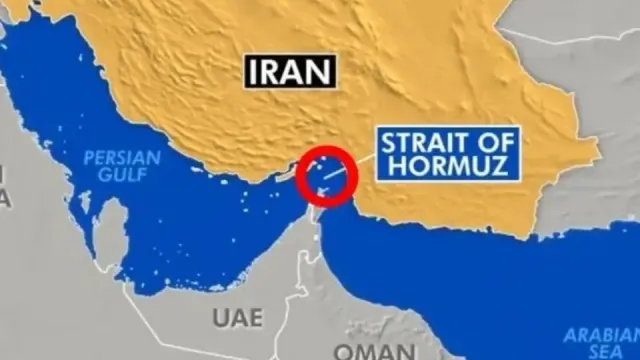
In the past month, Iran has effectively put a chokehold on the Strait of Hormuz, a vital route where many countries including Kenya secure the supply of oil, nitrogen-based fertilizers and other essential inputs vital in agriculture and industrial production.
The Kenyan private sector weakened further in March, marking the first decline in activity in seven months as the PMI fell to 47.7 from 50.4 in February, driven by the negative impact of the war in the Middle East and input costs.
According to the PMI report, the Middle East war has resulted in more cautious spending patterns among some companies in Kenya amid logistics constraints to customer deliveries and higher prices for fuel and transport.
Related
Private sector roars back in April as PMI hits 15-month high
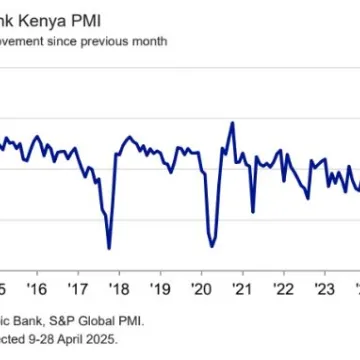
Companies surveyed during the period cited higher taxes, rising fuel and transport costs and increased shipping expenses as factors pushing up purchasing prices, which posted the sharpest jump in just over two years.
"Output and new orders declined in most sectors, implying that businesses expect to be constrained by the disruptions from geopolitical tensions. “Despite lower output and new orders, employment conditions held up as firms in the agrarian sector drove hiring," explained Christopher Legilisho, Economist at Standard Bank.
He added: "“Higher input prices and purchase prices were linked to concerns about taxes and the impact of the war in the Middle East on shipping costs. Output prices increases were subdued as firms declined to pass on costs to consumers in an already weak demand environment."
March PMI findings highlighted the impact of constrained consumer budgets in Kenya at a time when the industry is bracing for higher fuel prices from the Middle East war.
The survey shows that although some companies continued to record growth, often attributing improved performance to marketing efforts, customer referrals, product and service innovation, and expanded digital sales channels, a larger share reported that consumers and clients were financially stretched, leading to reduced order volumes.
Some businesses commented on disruptions to international transport due to the war, which also dampened sales.
Additionally, the first quarter of the year ended with weak trend on new jobs, with employers reporting a slight increase in staffing that was the softest recorded since October 2025. This partly reflected a fall in outstanding business that was the most pronounced for almost six years, the report said.
On future outlook however, the sentiments remained unchanged since February, with over a fifth of respondents forecasting growth underpinned by expansion, higher spend on marketing, broader product and service offerings, and investment in capacity and human capital.
At the moment, the Middle East war involving Iran, Israel and the U.S. has triggered huge economic shocks in Kenya and across other African markets. Kenya depends heavily on fuel supply from the United Arab Emirates (UAE) firms ADNOC and ENOC as well as Saudi Arabia oil giant Aramco.
In the past month, Iran has effectively put a chokehold on the Strait of Hormuz, a vital route where many countries in the world ship oil, nitrogen-based fertilizers and other essential inputs vital in agriculture and industrial production.
Continued blockage of the Strait of Hormuz is poised to further drive up energy costs, negatively impacting food and transport prices in Kenya and other economies.