Fuel hoarders face jail time and massive fines, warns watchdog
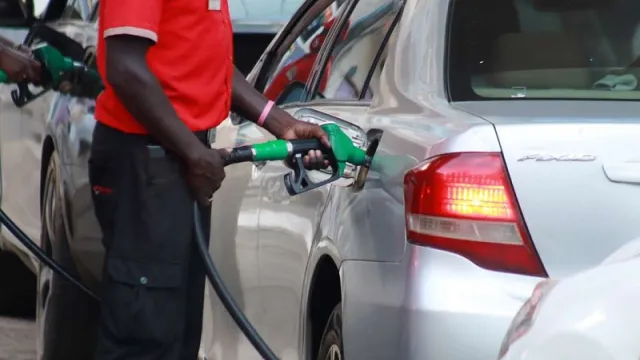
Any attempt by oil marketing companies to distort competition by hoarding, discriminatory supply, or collusion would attract stiff penalties under the law, the Competition Authority of Kenya has stated.
Chief executives of oil marketing companies in Kenya risk hefty fines, jail time, or both if authorities find them hoarding fuel amid industry chaos triggered by the ongoing Middle East supply chain disruptions.
In a public notice on Friday, the Competition Authority of Kenya warned that oil marketing companies caught hoarding fuel in anticipation of an upward review in prices risk paying a fine of 10 percent of their previous year's gross turnover.
Any attempt by oil marketing companies to distort competition by hoarding, discriminatory supply, or collusion would attract stiff penalties under the law, the authority stated.
“Agreements or decisions that have the objective and/or effect of preventing, distorting or lessening competition in the trade of any goods or services in Kenya may attract a financial penalty of up to 10 percent of the preceding year’s gross annual turnover in Kenya,” the Authority said.
It also warned that oil executives risk up to five years in jail time or up to Sh10 million in fines upon conviction.
The past three weeks have been characterised by claims of fuel shortages amid revelations that top energy officials organised the purchase and delivery of substandard petroleum products in the country.
This scandal has seen top energy officials including Ministry of Energy Permanent Secretary Mohamed Liban, Kenya Pipeline Company CEO Joe Sang and the Director General at the Energy and Petroleum Regulatory Authority (EPRA) Daniel Kiptoo arrested and sacked.
According to Energy Cabinet Secretary Opiyo Wandayi, the country has enough stocks of petroleum products.
On Thursday, however, CS Wandayi failed to appear before the National Assembly’s Energy Committee that sought answers on the importation of substandard petroleum products into the country in late March in breach of Government-to-Government (G-to-G) framework.
On Friday, EPRA officials said they are undertaking spot checks in pump stations across the country "to verify fuel availability and monitor stock levels at retail outlets and depots."
"This ongoing exercise is meant to reinforce public confidence and ensure any concerns on shortages are addressed through continuous surveillance and regulatory oversight," EPRA noted.
Since March, global oil markets plunged into turmoil following U.S.-Israeli strikes on Iran, a conflict that have left the Strait of Hormuz, a narrow waterway off Iranian shoes that handles 20 percent of oil exports impassable.
On Thursday, ADNOC, which is one of the United Arab Emirates companies contracted under Kenya’s Government-to-Government oil supply deal, announced it has over 230 ships loaded with fuel, but they cannot sail to destinations due to the ongoing blockage at the Strait of Hormuz.