KRA opens tax amnesty window, warns of post-deadline crackdown

KRA explained that tax liabilities arising on or after January 1, 2026, will not qualify for the current waiver window meaning that all principal taxes, penalties and interest remain due.
The Kenya Revenue Authority (KRA) has launched yet another tax amnesty push, offering 100 percent waiver on penalties, interest and fines on legacy tax debts accrued by individuals and businesses up to December 31, 2025.
In a notice to the public on Friday, the authority said the amnesty window, starting on July 1 under the Finance Act, 2026, builds on two previous initiatives that yielded KSh80.9 billion in recovery of principal tax payments while regularising thousands of taxpayers who has slipped into the taxman’s bad books.
Related
KRA on course to net Sh5 billion in tax amnesty plan

Why More Taxpayers are Opting for ADR in Resolving Tax Disputes
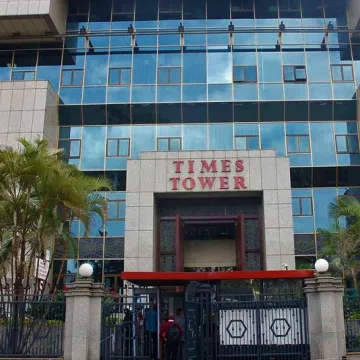
The programme, which runs until December 31, 2026, represents an olive branch to non-compliant taxpayers, though officials have signalled that this exercise will usher heightened enforcement measures.
Previous amnesty cycles
Previous two amnesty cycles demonstrated that taxpayers are more willing to settle core liabilities when punitive charges are removed, unlocking revenue that might otherwise remain trapped in arrears.
The automatic waiver mechanism is designed to minimise administrative friction. Taxpayers who cleared their principal taxes by December 31, 2025, automatically qualify for a full waiver on outstanding interest and penalties without any formal application.
Similarly, those with no principal tax due but facing late filing penalties will receive an automatic waiver once all outstanding returns are fully filed.
For taxpayers with outstanding pre-2026 principal debt, the path to relief demands some action. Those who pay their principal in full during the amnesty period will instantly receive a waiver on corresponding penalties and interest.
For those unable to make a lump-sum payment, the KRA is offering structured payment plans via its iTax portal, though all principal must be cleared by the December 31 deadline to qualify.
Cases not fit for tax amnesty
KRA explained that tax liabilities arising on or after January 1, 2026, will not qualify for this waiver meaning that all principal taxes, penalties and interest remain fully due.
Taxpayers currently in active litigation are also excluded from the automatic provisions, though they may utilise the KRA's Alternative Dispute Resolution framework to settle principal amounts and unlock amnesty benefits.
The timing of the amnesty comes at a time when East Africa's largest economy is facing headwinds, including high cost of living, currency pressures and a tight fiscal environment.
President William Ruto's government has been under pressure to broaden its revenue base while avoiding measures that could further squeeze overburdened households and businesses already grappling with high living costs.
For Kenya's business community, the amnesty offers a chance to clear legacy tax debts without the burden of accumulated penalties and interest. Smaller enterprises, which often struggle with compliance due to limited administrative capacity, stand to benefit as well.
However, the programme also raises questions about the underlying causes of non-compliance.
If tax rates, administrative processes and enforcement mechanisms are perceived as burdensome, amnesties may provide temporary relief without addressing structural issues.
Several African countries have turned to tax amnesties as part of fiscal consolidation efforts, balancing the need for immediate revenue with the longer-term goal of expanding the tax base.