CS Kagwe digs on tea export levy push, dismisses buyer protests

Agriculture CS Mutahi Kagwe while appearing before a House Committee on Wednesday, 13 May 2026.
Agriculture Cabinet Secretary Mutahi Kagwe has dismissed buyer calls for the country to drop its plan to impose a levy on tea exports, terming such a strategy a "huge mistake."
While appearing before the House Committee on Agriculture on Wednesday, CS Kagwe put up a spirited defense to the 2026/27 KSh79.06 billion budget for his ministry, seeking the imposition of a 0.8 percent levy under the Tea Levy Regulations 2026.
Related
Kagwe ends middlemen's chokehold on tea exports

Tea exports up 31% in export value on strong dollar
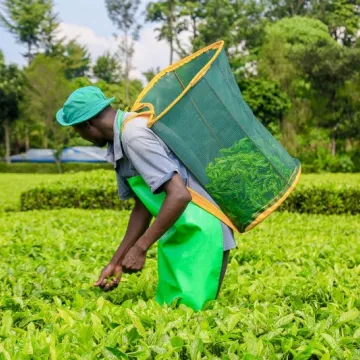
“Going back would be a huge mistake. All countries that trade seriously in tea charge levies to develop their markets,” Mr Kagwe told MPs, adding that greenleaf exports remain a core business for the country.
Since 1st May, the Kenya Revenue Authority has been collecting the 0.8 percent levy on behalf of the Tea Board of Kenya.
With its introduction, media reports show that the activity at the world's largest market, Mombasa Tea Auction, has been ruffled with buyers expressing preference for Rwanda and Burundi teas.
Already, Pakistan, which buys roughly 35 percent of Kenya teas is leading protests against the new levy, noting that this extra cost will be passed on to farmers through lower bonuses and less returns.
However, CS Kagwe mounted a strong defense of the 0.8 percent tea export levy, insisting Kenya “cannot retreat” from reforms aimed at protecting, branding and adding value to Kenyan tea in the global market.
Sustainable funding for marketing
The CS argued that the levy is meant to create sustainable funding for marketing, modernization and promoting Kenyan tea as a premium product internationally, amid concerns raised by some international buyers and tea stakeholders.
According to the regulations governing the new levy, half of the collections will go toward supporting farmer income programmes and the stabilisation of prices. A further 20 percent of the collections will be channeled to the Tea Research Institute even as 15 percent quota goes to support TBK operations.
During the session, CS Kagwe further pushed for direct tea sales and geographical indicators to stop Kenyan tea from being blended and rebranded abroad without recognition.
Beyond tea reforms, the CS said his ministry is increasingly prioritising fertilizer subsidies, irrigation, climate-smart farming, livestock transformation and commercialization under the Bottom up Economic Transformation Agenda.