What you need to know about Ebola and the current situation
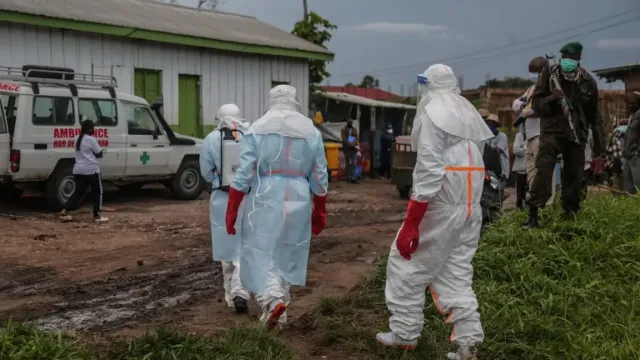
Ebola spreads mainly through direct contact with body fluids of an infected person. These body fluids include blood, saliva, vomit, semen, urine, sweat, vaginal fluids, among others. The virus can also enter the body through small breaks in their skin and the linings of the eyes, nose or mouth.
Following reports of Ebola case in Kenya, other in parts of East Africa especially in the Democratic Republic of Congo (DRC), public concern is growing about how the virus spreads, what symptoms to look for, and what to do after a suspected exposure. Understanding the facts is the first step in protecting yourself and your community. Here is what you need to know.
What is Ebola virus disease (EVD)?
Related
Ruto backs Ebola centre set up in Laikipia as cases cross 1000

Opposition grows on U.S. plan for Ebola treatment centre in Kenya
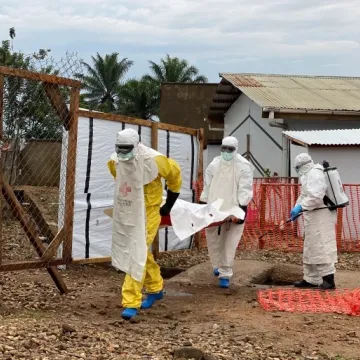
Ebola virus disease is a severe illness that occurs when one is infected by Ebola virus. The Ebola virus is believed to reside in bats and periodically causes disease in humans in West, Central and East Africa.
How does one get infected with Ebola?
Ebola spreads mainly through direct contact with body fluids of an infected person. These body fluids include blood, saliva, vomit, semen, urine, sweat, vaginal fluids, among others. The virus can also enter the body through small breaks in their skin and the linings of the eyes, nose or mouth.
Infection may also be caused by soiled clothing of infected person, unsterilized equipment used by an infected person, or handling wildlife whether dead or alive.
What are some of the symptoms of Ebola virus disease?
Symptoms start about 4-10 days after the virus has entered the body. The initial symptoms resemble those of malaria and may include fever, weakness, tiredness and muscle pains. After about three days, vomiting, diarrhoea and abdominal pain may occur. One week later, an infected person may become severely ill with bleeding from several sites, shock and organ failure.
What is the current situation in East Africa?
The outbreak of Bundibugyo virus infections began in May 2026 in Ituri province and has spread to surrounding provinces in eastern DRC.
There was an outbreak in Uganda in May that resulted in 20 cases, including two deaths and has completely resolved. On the contrary, the cases in DRC are continuing to increase with over 8,400 cases as of early October and a fatality rate of nearly 50%.
Kenya has reported a single confirmed case linked to the regional outbreak, a Kenyan who had been working in DRC. He flew to Nairobi, then was brought to the hospital on 3rd of October and died 2 days later. The contacts are being placed in quarantine in order to prevent transmission of further cases resulting from the contacts. These examples highlight the interconnected nature of disease transmission within East Africa.
Is there any vaccines or treatments available?
The previous vaccine studies were done in other Ebola viruses but not in Bundibugyo virus. The virus is different from the others that it is not yet clear whether the currently available vaccines are effective for Bundibugyo. A study is being undertaken in Uganda now to determine the effectiveness of a vaccine candidate.
It is important to remember the importance of effective supportive treatment. Note that in Uganda, the fatality rate was 10% rather than 50%. The difference is likely due to two factors; the level of supportive care that was offered in Uganda and the likelihood that there are many other uncounted cases in DRC.
What should I do if I suspect coming into contact with someone with Ebola?
Contact your health care provider via phone. It is important to limit contact and not come directly to the hospital if you suspect having had contact with an infected person. Depending on the type of suspected exposure, quarantine may be recommended or required.
What should I do if I think I may have Ebola disease?
Contact your health care provider initially via phone. Your health care provider can then assess the situation and provide further guidance. If hospitalization is required, the hospital should be notified in advance so they can prepare.
What can I do to prevent myself from contracting the virus?
Avoid traveling to areas that have been flagged to have had cases and their environs and coming into contact with someone suspected to have the disease.