Students, hospitality and aviation workers oppose alcohol bill
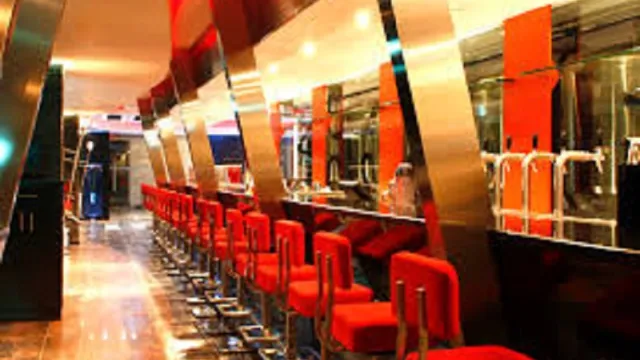
The Pubs, Entertainment and Restaurants Association of Kenya estimates that newly proposed measures in the alcohol industry could expose 5,643 outlets to closure, put 28,213 jobs at risk and cost Sh8.46 billion a year in lost salaries.
A coalition of hospitality, aviation, consumer and student groups has warned that the proposed Alcohol Bill could close thousands of businesses and cost more than 30,000 jobs, as they urged lawmakers to assess the economic impact of the legislation before it becomes law.
In submissions to the National Assembly, the groups said they supported the Alcoholic Drinks and Drugs Control Laws (Amendment) Bill's stated aims of protecting minors and reducing alcohol harm. But they argued that key provisions were disproportionate, untested for their economic cost and drafted without sufficient input from those they would affect.
Related
Advance excise duty payment plan will choke alcohol makers, drive up illicits

Taxes, bad laws driving illicit alcohol trade — lobbies

The Pubs, Entertainment and Restaurants Association of Kenya estimates the measures could expose 5,643 outlets to closure, put 28,213 jobs at risk and cost Sh8.46 billion a year in lost salaries.
It warned the damage would spread to suppliers, security firms, transport operators, musicians and DJs whose livelihoods depend on the night-time economy.
The Bill, National Assembly Bill No. 63 of 2026, was read for the first time on 5 November and is before the Departmental Committee on Administration and Internal Security. It would raise the legal drinking age from 18 to 21, not only for buying alcohol but also for working in licensed premises and even entering them, "whether alone or accompanied."
It would further stop the licensing of alcohol sales in restaurants, supermarkets and universities, ban online sales and home delivery, restrict alcohol transport to between 6am and 6pm, and prohibit drinking in public places including restaurants and aeroplanes.
Penalties would reach Sh10 million or five years in jail, while a new levy of Sh2 per litre would apply to manufactured and imported drinks. Affected businesses would have three months to adjust.
For the Kenya Hotels and Allied Workers Union, the age change is a direct threat to young workers in a labour-intensive industry.
"Employment and alcohol consumption are distinct activities and should not be subjected to the same restrictions," the union said in a memorandum signed by General Secretary Sava Wycliffe Mundu.
Student leaders from six universities including, the Jomo Kenyatta University of Agriculture and Technology, Maseno, Mount Kenya, Chuka, Tharaka and the Catholic University of Eastern Africa, said the change would shut hospitality students out of the attachments, internships and part-time jobs their courses depend on, at a time when youth unemployment is a national concern.
The Kenya Association of Air Operators, which represents more than 90 percent of the country's registered air operators, warned that the ban on drinking in public transport would end regulated inflight service, while restrictions on licensed premises could hit airport restaurants, lounges and duty-free outlets.
It said the 6am–6pm transport window could also disrupt air cargo, which moves on international schedules and at night.
Several groups warned that the Bill risked strengthening the very market it seeks to fight. Citing figures the Anti-Counterfeit Authority presented to Parliament, the Africa Consumer Advocacy Foundation noted that illicit alcohol made up roughly 60 per cent of volume sold in 2022, much of it unregulated brews such as chang'aa.
"Consumer protection cannot be achieved by restricting access to lawful, regulated products while the unregulated market flourishes," said ACAF Executive Director Anselm Maina Njoroge.
Industry lobbies PERAK, KHAWU and ACAF all called for a full Regulatory Impact Assessment before the Bill proceeds, examining jobs, business closures, tourism, revenue and illicit trade.
KAAO asked for structured consultation with aviation stakeholders, including the Kenya Civil Aviation Authority and the Kenya Airports Authority, while KHAWU urged the committee to engage workers' representatives meaningfully before finalising the law.
"Young adults should not merely be viewed as subjects of regulation," students stated, urging structured engagement with student and youth organisations on a law that directly affects their freedoms and livelihoods.
PERAK and ACAF also questioned the Bill's shift of licensing powers from county governments to a new national committee, noting that liquor licensing is a devolved function and that the Senate and counties should be consulted.