Govt scrutinizes Everstrong's second shot at Nairobi–Mombasa expressway
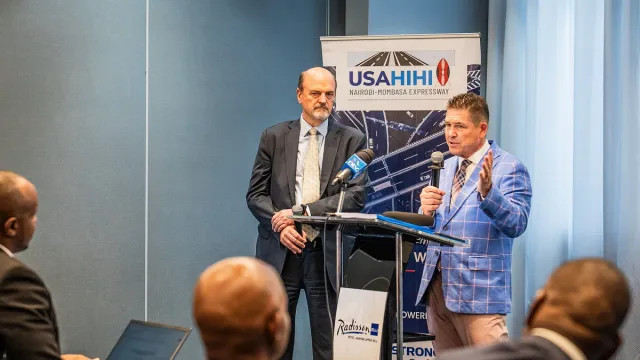
A new Nairobi-Mombasa Expressway proposal, which is expected to cost about KES455 billion to KES468 billion, is being scrutinized within the framework of the Public Private Partnerships (PPP) Act, CAP 430, by the Kenya National Highways Authority (KeNHA)
Treasury Cabinet Secretary John Mbadi has announced that authorities are reviewing a revised proposal by U.S.-backed Everstrong Capital for the 440km Usahihi Nairobi–Mombasa Expressway, with the project’s fate hinging on whether the updated submission meets legal and technical thresholds.
Addressing journalists at the Treasury last Friday, Mbadi disclosed that the government has opted to restructure the proposal after identifying shortcomings in the earlier proposal.
Related
Port of Mombasa cargo throughput climbs to 41.1 million tonnes
“Pursuant to legal guidance, Kenya has opted to restructure the proposal under section 43(12) to address specific responsiveness gaps,” he said, adding: “There were responsiveness gaps that have been identified. So Kenya has opted to restructure the proposal as presented to take or deal or handle the responsiveness gaps that exist.”
According to the CS, Everstrong Capital has since submitted a revised development report, which is now under review “to determine if it meets the mandatory evaluation criteria. So already the revised development report is with us and this is being looked into.”
He said the project, expected to cost about KES455 billion to KES468 billion, is being scrutinized within the framework of the Public Private Partnerships (PPP) Act, CAP 430, by the Kenya National Highways Authority (KeNHA).
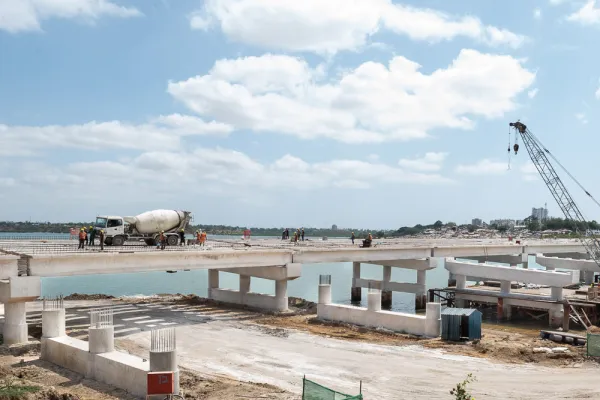
The Nairobi–Mombasa Expressway has been under discussion for years as a flagship infrastructure project intended to ease congestion and improve efficiency along the country’s busiest transport corridor as it is meant to reduce travel time to 4.5 hours. Its progress now depends on the outcome of the ongoing evaluation.
However, Mbadi cautioned that approval is not guaranteed, noting that should the revised submission fail to meet the set requirements, the government retains the authority to terminate the privately initiated process.
“Should the proposal fail again to meet requirements, Kenya, which is the contracting authority, reserves the discretionary authority to treat the project as abandoned with finality under section 43(11)(c) and section 43(12),” he stated.
Mbadi explained that if the project is deemed abandoned, it would move to a competitive procurement framework as provided for by the laws of the land.
For now, he emphasized, the government will not speculate on alternative routes until the current process is concluded. “We haven’t reached there. So we cannot say what we are going to do until you exhaust this PIP proposal that has been presented to us,” Mbadi said.
Beyond connecting Nairobi and Mombasa, the new expressway is anticipated to generate key spillover effects across the Kenyan economy. From boosting trade efficiency and reducing transport costs to creating jobs and supporting local businesses.
By easing the movement of goods and people, the road will strengthen Kenya’s position as a regional hub, drive inclusive growth, and create long-lasting value for generations to come.