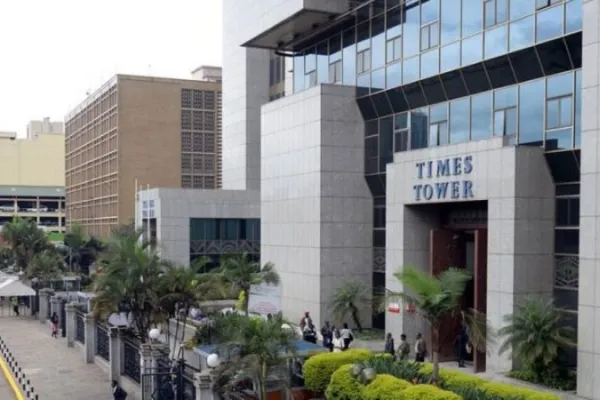
High fuel costs strain households as October inflation rises to 7.3%

The average fare for a country bus from Kabarnet to Nakuru rose 8.3 percent month-on-month to KES 650 in October, representing a 30 per cent increase over the year.
A steady rise in the cost of fuel has pushed up Kenya's inflation to 7.3 percent in October, a rise from 6.8 percent reported in September, as millions of consumers reel from cost-of-living pressures, official statistics showed on Friday.
According to the Kenya Bureau of Statistics (KNBS), the country's inflation print has been rising steadily since March (just when the Middle East Crisis started, triggering sharp rise in energy prices) when it stood at 4.4 percent.
Related
Banks hand Treasury record Sh205 billion in tax as compliance costs jump
KRA busts Sh4 billion in VAT fraud scheme, fake invoices
KNBS survey shows that the overall consumer price index edged up from 156.47 in September to 157.6 in October, signaling a persistent buildup of price pressures in East Africa's largest economy.
During the month, food and non-alcoholic beverages posted a 10.2 percent surge in costs, even as transport charges went up by 17.1 percent. At the same time, consumers experienced 3.7 percent jump in water, electricity and gas prices.
Items under the above categories account for over 57 percent of the total weight across 13 major expenditure items that KNBS monitors every month to determine key trends in the cost of living.
With rising global fuel prices, transport costs across the country increased sharply in October, registering 1.7 percent month-on-month uptick and 17.1 percent increase year-on-year, KNBS said.
During its latest monthly price review, the Energy and Petroleum Regulatory Authority effected a 6 percent rise in pump prices between September and October. The price of petrol went up to KES227.85 per litre from KES214.95 even as diesel--a key driver for industries--soared to KES228.77 a litre from KES219.04 per litre in September.
Households using paraffin were the worst hit during the latest price review with the cost per litre going up by 14.7 percent to KES220.88.
Boda boda fares
These increases cascaded directly into public transport and logistics costs, KNBS survey notes. For instance, the average fare for a country bus from Kabarnet to Nakuru rose 8.3 percent month-on-month to KES 650, representing a 30 per cent increase over the year.
What's more, city matatu fares on the Westland to Kangemi route increased by 25 per cent to KES 50 from KES 40. Most striking was the 40 per cent year-on-year jump in boda boda fares, which rose to KES 70 from KES 50 on the Siaya town to Awelo route, KNBS noted.
Core inflation, which strips out food and energy, stood at just 4.3 percent during the month, contributing 4.5 points. This relatively contained core figure suggests that the current spike is largely a supply-side shock driven by imported fuel costs.
Food and non-alcoholic beverages, which carry the heaviest weighting at 32.9 per cent, remained stubbornly high at 10.2 per cent year-on-year. While some staples offered relief, sugar prices fell 1.2 per cent month-on-month to KES 163.84, and oranges declined 1.1 per cent.
The price of Irish potatoes, which is a staple food in the country, surged by 34.9 per cent year-on-year to KES 125.06 per kilogramme, while retail price of cabbage by 29.1 per cent on average. Cost of fresh packed cow milk, which is a daily necessity, rose 4.7 per cent month-on-month to KES 64.13 per half-litre.