KRA's reverse e-invoicing model to bring farmers into digital tax net
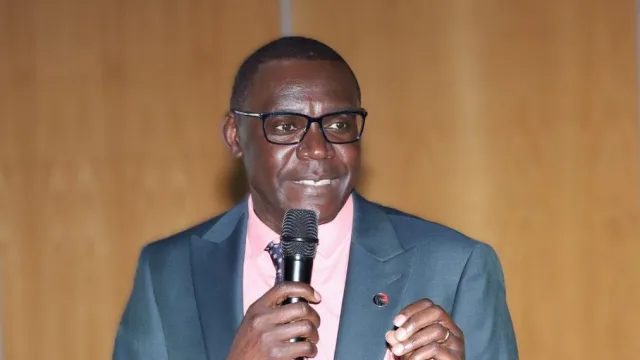
KRA's Commissioner for Micro and Small Taxpayers, Mr George Obell
Thousands of farmers across the country are set to be onboarded into Kenya Revenue Authority's digital tax net as the taxman adopts a new system that will see factories generate electronic tax invoices on behalf of producers.
In an update on Wednesday, KRA said the initiative is part of its push to further broaden taxpayer base while also enhancing compliance across sectors.
Related
Taxman turns up heat in Eastleigh, flags cash payments

Eldoret Airport caught up in hard drugs haul and tax evasion plots
According to KRA's Commissioner for Micro and Small Taxpayers, Mr George Obell, the plan is poised at simplifying tax compliance for farmers, particularly those supplying factories and other agricultural processors, while ensuring that transactions are properly documented.
"Under the arrangement, a factory or other business purchasing agricultural produce can generate an invoice on behalf of the farmer, thereby documenting the transaction in eTIMS. This enables the purchasing business to support its expense claims with the requisite documentation," Mr Obell explained.
The authority noted that the plan helps simplify compliance for smallholders, arguing that the absence of proper documentation creates difficulties for businesses seeking to claim legitimate expenses.
Mr Obell encouraged farmers encountering problems with the process to seek help at KRA offices or through formal channels.
He was speaking in Murang'a County during KRA's nationwide "Citizen Assembly" programme, where the authority seeks to answer grievances over it's digital infrastructure.
KRA acknowledged that some taxpayers had experienced inconsistencies in invoice reconciliation, particularly where transactions were processed before system integrations were completed, and said work was under way to strengthen links between eTIMS, iTax and other government systems.
Taxpayers with unresolved invoice-related cases were asked to provide specific details so that technical teams could investigate.
KRA Board Chairman Ndiritu Muriithi highlighted the authority's investment in taxpayer education, noting that tax content had been integrated into the school curriculum from Grade One to Grade Nine in collaboration with the Kenya Institute of Curriculum Development.
The authority is also promoting tax clubs and "communities of excellence" in universities, alongside outreach to young people, start-ups and small businesses.
On Value Added Tax refunds, which is a persistent complaint among businesses, KRA said it had expanded processing capacity to approximately KSh3billion a month.
It defended validation procedures as necessary to protect public revenue from fraudulent claims, but said the introduction of "Green Channel" validation had cut processing times for qualifying claims to about five days.
The engagement underscores the delicate balance KRA must strike as it pursues digitisation: extending the tax net to informal and small-scale operators while retaining the confidence of larger taxpayers who bear much of the compliance burden.