KRA tightens grip on tax evaders with mandatory digital stock tracking
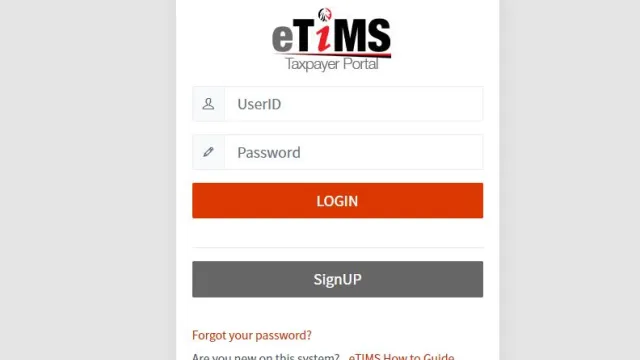
Discrepancies between stock held by businesses and the information recorded through KRA's stock tracking system will now create immediate compliance concerns.
The Kenya Revenue Authority (KRA) has launched a new enforcement measure yet in the ongoing push to drive digital tax compliance, requiring all businesses to maintain fully digitised stock records that track goods from purchase through to disposal.
In a notice dated Friday, KRA's latest directive is poised to effectively close a long-exploited loophole by businesses that perennially underreport their sales.
Related
KRA turns up the heat on rental tax evaders

Taxman turns up heat in Eastleigh, flags cash payments

The tax authority announced that taxpayers using its Electronic Tax Invoice Management System (eTIMS) or Tax Invoice Management System (TIMS) must now capture every stock movement, including goods purchased, received, sold, transferred, returned, adjusted or otherwise disposed of in the course of business.
This requirement, which will take effect following stakeholder consultations beginning this month, means that a firm's stock records will need to remain current and correspond with transactions captured in electronic records.
For businesses, this shift represents a fundamental change in mounting trade compliance obligations.
Where previously traders could maintain separate physical stock books that bore little relation to declared sales, the new functionality will allow KRA to cross-reference inventory movements against reported revenue in real time.
Discrepancies between stock held and information recorded through the system will now create immediate compliance concerns.
The move comes as the government intensifies efforts to widen the tax base amid persistent revenue shortfalls. The informal sector, estimated to account for a significant share of economic activity, has for years exploited gaps in enforcement by operating multiple mobile money tills or paybills to fragment income streams and obscure actual turnover.
KRA has already signalled a shift towards data-led enforcement, relying on transaction matching and system analytics rather than traditional audits alone.
The stock management functionality will provide the authority with an additional layer of visibility, enabling it to detect traders who underreport sales by comparing declared revenue against known stock purchases.
Compliance burden for SMEs
For small traders, the requirement could mean significant additional record-keeping work. Many businesses have traditionally relied on manual stock books or basic accounting systems and may struggle to adapt to the new digital demands.
However, the consequences of non-compliance are mounting. Tax professionals have warned that boards and executives who fail to treat eTIMS as a governance priority will face penalties, audit disputes, and reputational risk.
Under the law, expenses are only allowable if supported by an electronic tax invoice generated through eTIMS.
The KRA has not yet announced a specific deadline for enforcement of the stock management functionality or penalties tied to the requirement. Instead, the authority will hold consultative forums with the business community beginning this month to explain how the system will operate and allow taxpayers to flag challenges before full implementation.
The stock management functionality completes a compliance ecosystem that has been under construction since eTIMS was first mandated for all businesses, including those not registered for VAT, in September 2023.
From January 2024, taxpayers have been required to support expenses claimed in returns with electronic tax invoices transmitted to KRA's system.
For businesses with existing enterprise resource planning systems, integration with eTIMS through KRA's Virtual Sales Control Unit (VSCU) or Online Sales Control Unit (OSCU) will be essential to automate the exchange of information between systems.
KRA has pledged to support taxpayers through the transition, establishing a comprehensive framework across its offices nationwide to assist with onboarding and provide education on the most suitable eTIMS solutions for specific requirements.
The enforcement push reflects the government's urgent need to boost revenue collection. With persistent shortfalls undermining fiscal targets, the KRA has been systematically closing avenues for tax evasion, from mobile money transaction tracking to now stock management.