Centum boss exits to lead Kenya’s Sh5 trillion infrastructure fund
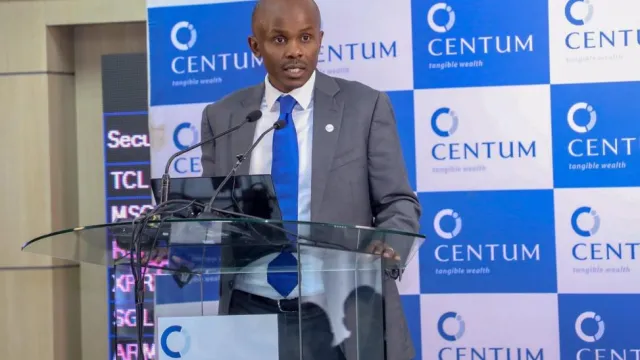
National Infrastructure Fund boss Dr James Mworia.
Dr James Mworia, the long-serving CEO of Centum Investment Company, has been appointed founding chief executive of Kenya’s National Infrastructure Fund (NIF), marking the operational launch of a state-backed vehicle designed to channel private capital into large-scale public works.
His appointment, which is effective immediately, follows a “competitive recruitment process” and comes two months after Mworia was named to the NIF’s board.
Related
Ruto's Sh5 trillion infrastructure push faces fresh legal scrutiny
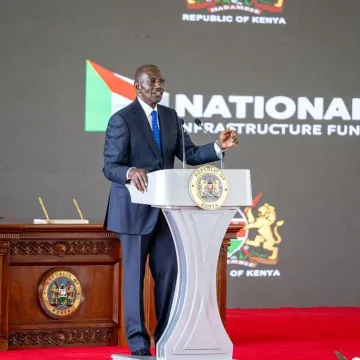
Cabinet greenlights Ruto’s Sh5 trillion first-world push
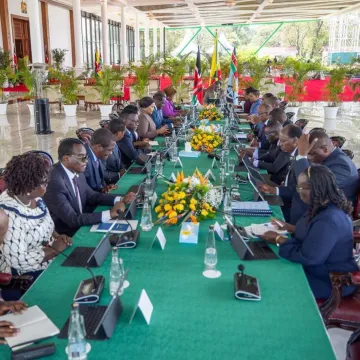
His departure from Centum, where he has led the Nairobi Securities Exchange-listed investment firm since 2008, concludes an 18-year tenure during which the company grew total assets to about Sh46 billion from KSh4 billion, according to the company.
Centum has appointed Thomas Omondi-Achola, its group chief operating officer, as acting CEO to ensure continuity.
Omondi-Achola, who joined Centum in 2018, previously led a turnaround at the frims affiliate, Sidian Bank, as chief transformation officer, returning it to a $4 million profit position within 18 months.
Kenya’s NIF, established by an Act of Parliament in March, is mandated to scale up infrastructure development while reducing the government’s reliance on conventional borrowing and taxation for major projects.
NIF aims to mobilise up to KSh5 trillion over the next decade by blending public seed capital with private investment from pension funds, insurers and international institutions.
Treasury officials have said the model is designed to attract as much as KSh10 from private partners for every shilling of government capital committed.
Capital markets
NIF’s strategy involves converting national infrastructure priorities into bankable projects, scaling ventures into investable assets and eventually transitioning them to long-term ownership or capital markets.
This asset-recycling model is central to NIF’s design and mirrors approaches adopted by infrastructure funds in other jusrisdictions such as Nigeria, Ghana, India, Canada and South Africa.
Mworia’s track record at Centum, building a diversified investment platform for the firm, retiring KSh20 billion in group debt and delivering about KSh5.8 billion in cumulative dividends—was cited by the NIF board as directly relevant to the fund’s mandate.
His experience in capital mobilisation, enterprise development and investment exits, including the recent divestment from Sidian Bank and Nabo Capital, aligns with the NIF’s objective of bringing mature infrastructure assets to market.
The founding chief executive’s initial priorities include establishing the fund’s governance and operating systems, developing an investable project pipeline, and mobilising co-investment capital.
Legal scrutiny
NIF’s legal framework requires its investment policy to be approved by parliament, and the fund is required to maintain financial transparency, including keeping vital records of all deposits and transactions.
The High Court in July imposed mandatory quarterly reporting requirements on the National Treasury regarding the fund’s activities, following a petition by the Katiba Institute challenging aspects of the enabling legislation.
High Court permitted the fund’s operationalisation to proceed subject to these transparency measures.
The NIF governing council, chaired by Treasury Cabinet Secretary John Mbadi, includes the Central Bank governor, the attorney-general and independent members appointed by the president.