Why retirement planning is now a personal responsibility as family support declines

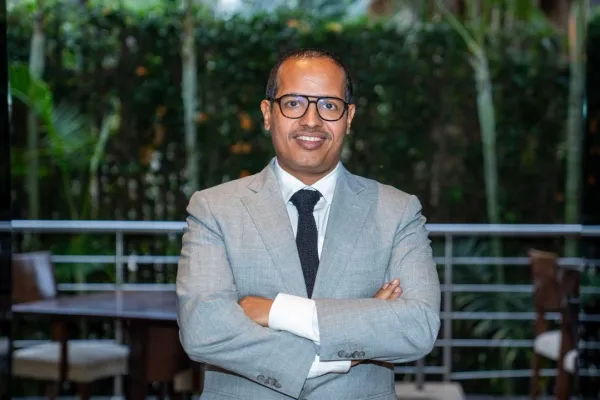
Jubilee Life Insurance CEO Asman Mugambi
The modern retirement reality is self-sponsored. Gone are the days when one could comfortably depend on children or extended family to provide financial support in old age. For many, this marks a profound cultural shift.
In African societies, family has long been seen as the safety net. Children taking care of their parents was both expected and honourable. Yet as lifestyles evolve and economic pressures intensify, this tradition has become harder to sustain. The same young people who were once viewed as retirement plans now carry their own financial burdens, from raising children to coping with the high cost of living.
Related
Kenyans are overwhelmingly unprepared for retirement

NSSF, Safaricom tie up M-PESA deal to shore up retirement savings

We are witnessing a generation caught between expectations and realities. On one hand, there is still a strong belief that family will step in. On the other, there is growing awareness that retirement is increasingly an individual responsibility. This new reality calls for planning, discipline, and foresight. The comforting illusion of automatic family support is giving way to the truth that financial independence in later years must be built with intention and consistency from a young age.
Retirement now stretches across decades
At the same time, people are living longer than ever before. Advances in medicine, improved access to healthcare, and better nutrition have extended life expectancy across Africa. According to the United Nations Economic Commission for Africa, the average life expectancy on the continent has risen from about 43 years to 67 years and is projected to reach about 75 years by the middle of this century. This is a remarkable achievement, but it also means that retirement now stretches across decades. The question, then, is how to sustain a dignified life throughout those years.
It requires not only saving but also thinking creatively about how to maintain income after formal employment. Many successful retirees today planned early and built diverse sources of financial security, blending savings, insurance, and investment to maintain a dignified lifestyle.
A dignified retirement is not achieved by chance; it is the result of deliberate and disciplined planning. It begins with a clear vision of the life one wishes to maintain, and a practical understanding of the financial resources required to sustain it. Commit to consistent saving, however modest at the start, and take full advantage of structured pension plans and voluntary retirement schemes available in the market.
Invest with intention and seek professional guidance to ensure your investment strategy remains sound. Most importantly, safeguard your health through adequate medical coverage, as this remains essential to protecting both your savings and your peace of mind in retirement.
A meaningful retirement also depends on more than finances. Prepare emotionally and socially for the transition. Cultivate interests and skills that can keep you engaged and fulfilled. Stay active, nurture friendships, and participate in community life. These choices strengthen both wellbeing and purpose.
Breaking the cycle of black tax
In this new era, independence is empowerment. It means choosing not to burden loved ones but to prepare oneself with foresight and wisdom. It means breaking the cycle of black tax, where financial responsibility moves endlessly between generations, and instead building a legacy of preparedness. The modern retiree takes ownership of their future, choosing to live freely, securely, and with dignity.
Retirement today reflects our changing times. It calls for awareness, resilience, and a deliberate shift from dependence to self-determination. With the right planning and mindset, we can welcome this reality with confidence, knowing that longevity, independence, and freedom can coexist beautifully when we take charge of our future.
The writer, Asman Mugambi, is the CEO, Jubilee Life Insurance