Equity Group tips global investors to tap into Kenya’s value-addition
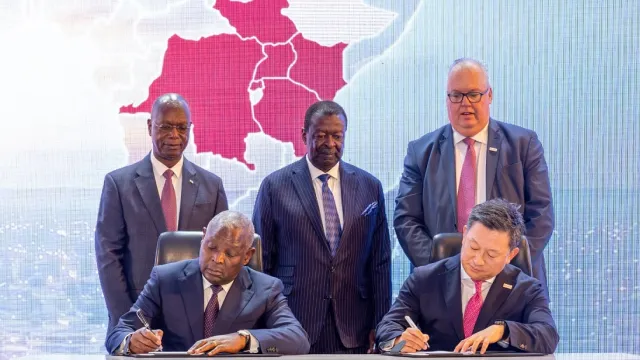
Prime Cabinet Secretary and Cabinet Secretary for Foreign and Diaspora Affairs Musalia Mudavadi (standing middle ) witnesses Dr. James Mwangi, Equity Group CEO (seated left), Yoshi Katsuda, MUFG Bank Managing Director and Regional Head of Middle East and Africa (seated right), signing a Memorandum of Understanding to establish a dedicated Japan and East Asia Desk at Equity during the 2026 Kenya Trade Mission in Nairobi. Joined by (standing L-R) Equity Group Chairman Prof. Isaac Macharia and Mark Sherratt, MUFG Bank Managing Director.
Equity Group is hosting over 650 investors, business leaders, policymakers and development partners drawn from 54 countries in Nairobi to showcase Kenya's multibillion investment potential in specialty coffee, premium tea, manufacturing of leather products, natural cosmetics, e-mobility and the creative economy.
The showcase, which is running from November 25 to 29, is part of Equity Group’s Africa Recovery and Resilience Plan, which is designed to better connect the region’s productive assets to markets, capital, technology and industry expertise.
Related
Creative economy: Tech giants Safaricom, Google partner to promote YouTube shorts

Emuron Alemu: The future of the creative economy belongs to those who believe in themselves
Equity Group is placing a big bet on various industries where Kenya already has a huge advantage on raw materials, with the processing capacity as the only missing cog in the value chain.
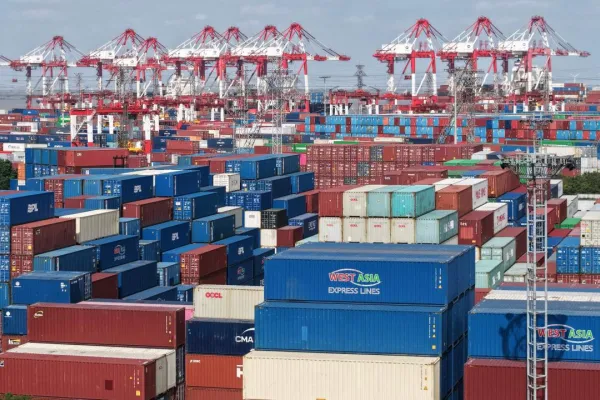
At the moment, Kenya is one of the world’s leading exporters of raw tea leaves and coffee beans, yet it captures only a small fraction of the final retail value of those agricultural commodities.
Statistics shows that the country exports unprocessed hides and skins, ceding the lucrative margin-intensive stages of tanning and manufacturing leather products to manufacturers in overseas countries.
Equity Group CEO Dr James Mwangi said the regional lender is readying capital for local processing and value addition to help Kenya grow the share of economic value that is retained domestically while creating jobs and expanding its tax base.
Prime CS Musalia Mudavadi stated that the roadshow is an invitation to partner in “competitive and sustainable projects that generate attractive returns while creating jobs, expanding opportunities and delivering lasting benefits for our economy and society.”
The six target sectors blend traditional agricultural strength with newer, higher-growth opportunities.
E-mobility and the creative economy, sectors that barely featured in Kenya’s investment conversation a decade ago, are now positioned alongside traditional forex earners of tea and coffee as pillars of the government’s industrialisation agenda.
Central to Equity’s pitch to global investors is the argument that governments alone cannot finance the region’s expansive needs on development.
Dr. Mwangi challenged investors to look beyond perceptions of risk and recognise Kenya’s skilled workforce, strategic location and access to the wider Eastern and Central African market.
“We have always underestimated the power of the private sector,” Mr Mwangi said, adding; “Businesses are creating thousands of jobs, generating wealth and contributing billions in taxes. The private sector is well positioned to work alongside governments in financing development, driving economic growth and creating opportunities for our people.”
Kenya Private Sector Alliance (KEPSA) chief executive Carole Kariuki argued that global capital should not view Kenya purely as a destination but as a partner.
“Too often, we focus only on what global capital can do for our country, but Kenya’s private sector brings immense value to the table,” she said, citing established supply chains into major trading blocs, entrepreneurial expertise and sustainable manufacturing capabilities.
Mary Peschka, regional director for Eastern Africa at the International Finance Corporation, stressed that mobilising capital at scale requires managing the risks investors face, through risk-sharing solutions, sound financial structures and local-currency financing.
During the showcase, Equity signed a memorandum of understanding with MUFG Bank, Japan’s lender to establish a dedicated Japan and East Asia Desk at Equity Group, opening new trade corridors for regional clients while giving Japanese firms a structured entry point into East and Central Africa market.
Separately, Equity Bank Kenya and Equity Group Foundation partnered with DHL’s GoTrade programme to train local small and medium enterprises to become export-ready, with Equity providing trade finance and advisory services.
Delegates are also examining the commercial potential of larger regional corridors, including the US$9.2 billion European Union–East Africa corridor and the US$3.4 billion UAE–Kenya corridor, alongside efforts to secure Geographical Indication certification for Kenyan Purple Tea, a move that could command premium pricing in international markets.
The roadshow is poised to undertake combined with site visits to the Naivasha Special Economic Zone, the Port of Mombasa and export processing zones.